
Elevator Calling System
Hoist & Elevator Call Buttons for Every Floor
A wireless hoist call system for construction sites. Workers press a call button on their level, and the hoist operator sees exactly where to stop. Built for sites where the permanent lift isn’t running yet.
- Up to 40–50 Floors
- No Cables
- Rain-Proof Sealing
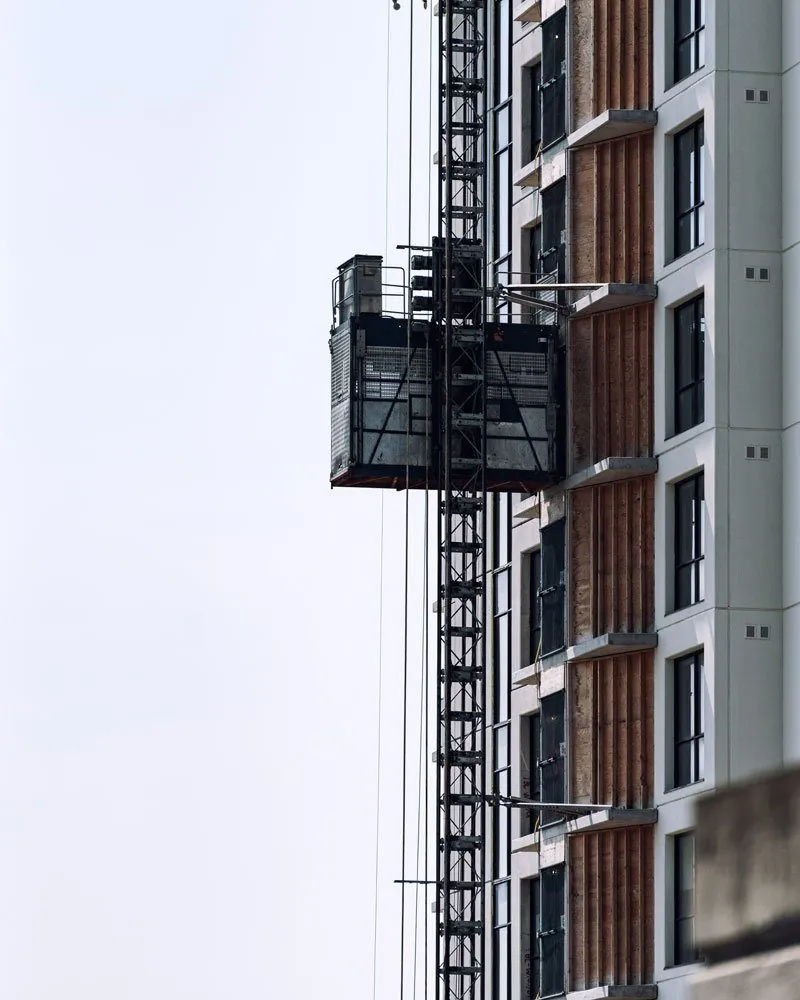
Level 23 Is Calling
Hoist operator alerted
40–50
Floors of vertical range, without a signal repeater
0
Cables or power wires. It works wirelessly, straight out of the box
Up to 6–12
Months of battery life per rechargeable call button
Range and battery figures from SIGNALGRYD testing; results vary by site.
How It Works
How a Hoist Call System Works
Alert the Hoist
A worker presses the call button on their level or platform.
Be Notified
The receiver in the cage sounds a chime and shows the operator which level is calling.
Work While You Wait
Workers carry on with other tasks until the hoist arrives at their floor.
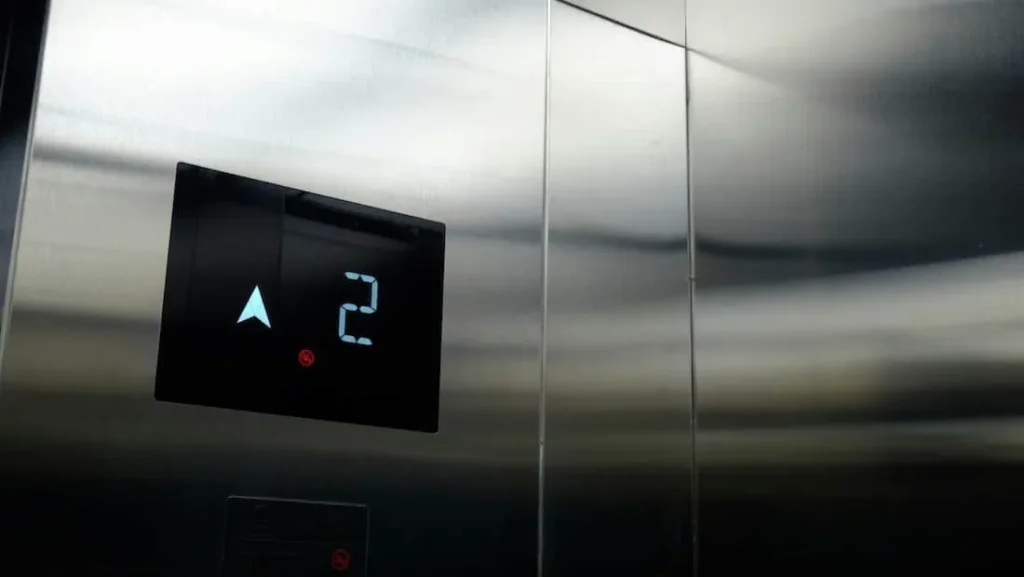
The operator sees at a glance which floor needs the hoist.
What’s Included
What’s in an Elevator Call System
Two parts and no cables. A standalone system that works out of the box, sized to your building.
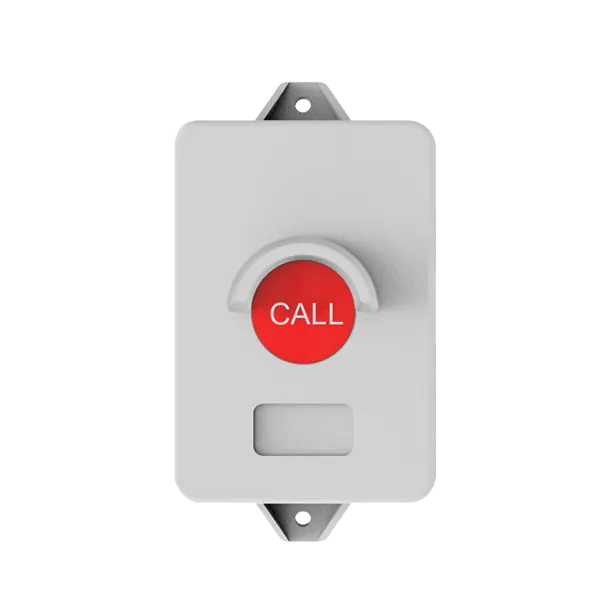
Service Calling Transmitters
Call buttons installed on each floor or platform. Each press sends its location to the receiver in the hoist. Rechargeable batteries last up to 6–12 months.
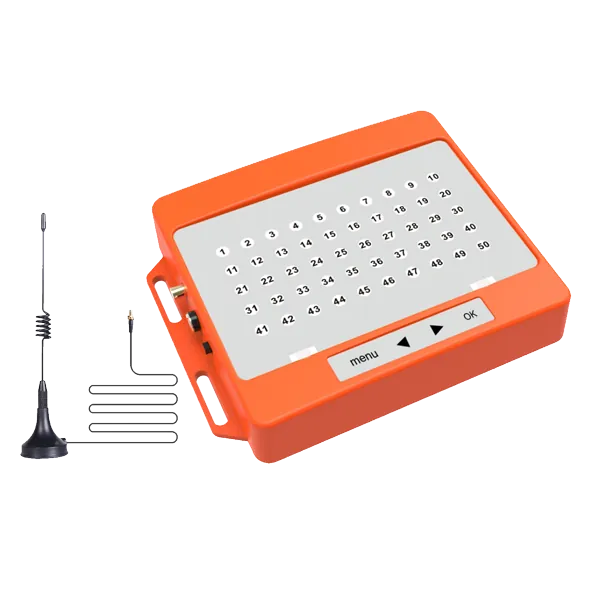
Receiving Panel
Alerts the operator with an audible chime and shows which level needs the hoist. Built-in 600 mAh Li-ion battery, with a built-in or external antenna.
Every System Includes
- CE & IMDA Compliant
- Up to 40–50 Floors
- Water & Weather Resistant
- Battery or Mains Power
- Fully Sealed
- Local Warranty
- No Cables
Where It’s Used
Works With Passenger and Material Hoists
A lift call button on every landing and a receiver in the cage. The same hoist communication system works for crews, materials and freight.
Passenger Hoists
Crews call the cage to their landing instead of shouting up the shaft or waiting at the gate.
Material Hoists
The operator sees which floor has a load ready, so the hoist stops where the materials are waiting.
Temporary Construction Lifts
For buildings where the permanent lifts aren’t running yet. When they are, take the system to your next site.
Industrial & Freight Elevators
Also suits industrial sites with indoor, outdoor or freight elevators.
Compare
Hoist Call Buttons vs Radios and Wired Panels
Shouting and walkie-talkies can work on a low-rise site. Here’s how the usual options compare once the building goes up.
| Method | How the operator knows where to stop | What gets in the way |
|---|---|---|
| Shouting & hand signals | Hears or sees the worker, if they’re close enough | Site noise drowns it out, and it stops working after a few floors |
| Two-way radios | A voice call on a shared channel | Every caller needs a charged handset, calls get missed or misheard in the noise, and the operator has to answer while running the hoist |
| Wired call panels & intercoms | A fixed panel at each landing | Cables have to be run up the building, extended as it rises and protected from damage on a busy site |
| Wireless call buttons | A chime and the calling floor on a receiver inside the cage | Call buttons need recharging, with batteries lasting up to 6–12 months |
For a longer comparison and setup tips, read our guide to construction hoist communication.
Why Hoist Calling
Why Sites Use Wireless Elevator Calling
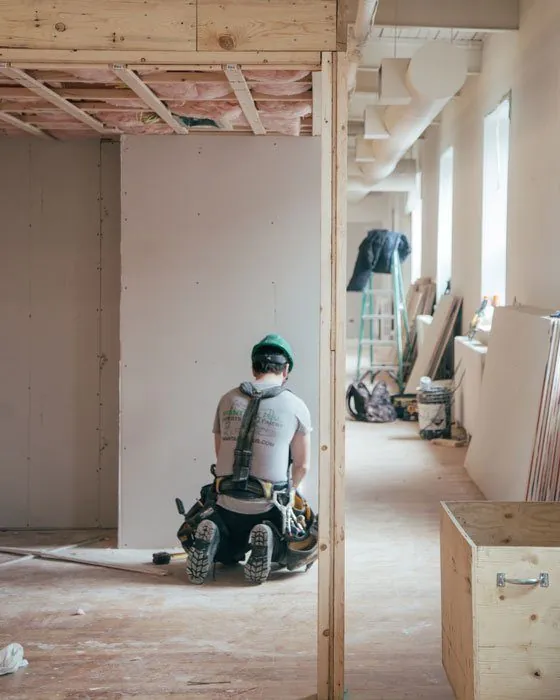
Simplify Communication
Sites get noisy. Instead of trying to get the operator’s attention by voice, workers press a button, and the signal reaches the hoist even when it’s far away.
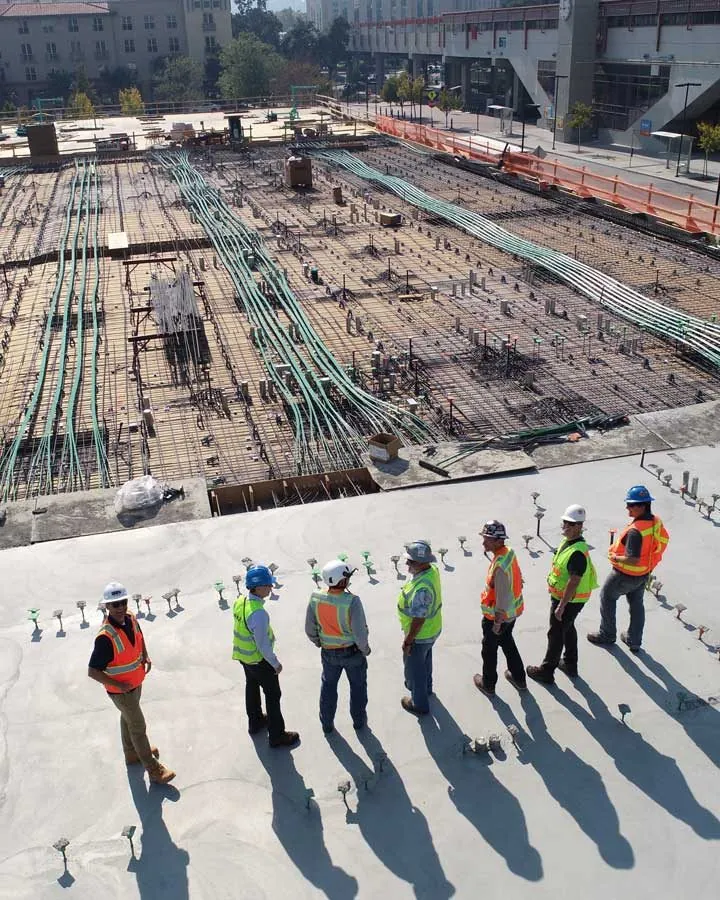
Work While You Wait
Once they’ve called, workers keep working and can easily estimate when the hoist will reach them.

Portable
Battery powered with no power cables, so it’s easy to install and dismantle, and switches on only when you need it.
“Its ability to call the cage elevator to specific floors has streamlined our operations, saving us valuable time and improving overall site efficiency. The fully sealed transmitters and receivers have proven to be exceptionally durable, performing reliably even in heavy rain.”
Construction Customer
Elevator Service Calling System
Page forklift and truck drivers, technical assistants, emergency staff or the manager, even over large distances in noisy environments.
Sizing
How to Size a Hoist Call System
Two numbers get you a quotation: how many landings, and how many hoists.
Count the Landings
One call button for each floor or platform the hoist serves. Plan for the building’s full height, not just today’s floors.
Count the Hoist Cages
One receiving panel goes inside each cage. Receivers come in 30-level and 50-level versions, with a built-in or 3 m external antenna.
Send Us the Numbers
We reply with a quotation within 24 hours. Delivery usually takes about a week when items are in stock.
FAQ
Hoist & Elevator Call System FAQs
How many floors can it reach?
The signal is tested to reach 40–50 floors vertically, without the need for a signal repeater.
Does it need cables or power wiring?
No. It’s a standalone wireless system that works straight out of the box. Run it on batteries or a power supply, whichever suits your site.
Will it work in the rain?
Yes. Transmitters and receivers sit in a fully sealed outer shell that protects them from rain and downpours, even in harsh weather. They also resist humidity and grease.
Does it need internet or Wi-Fi?
No. The system runs on radio frequency, so it works on floors that have no network yet.
How long do the batteries last?
Each call button’s rechargeable batteries last up to 6–12 months. The receiving panel has a built-in 600 mAh Li-ion battery.
Is it easy to install and remove?
Yes. With no cables to run, installation and dismantling are simple, and the system only needs switching on when you use it.
Can we move the system to our next site?
Yes. The call buttons and receiver run on batteries with no cables, so they come down easily when the permanent lifts take over and can be set up again on your next project.
What if we run more than one hoist?
Each hoist cage needs its own receiving panel so its operator is alerted. Tell us how many hoists you run and which floors each one serves, and we’ll size the system for your site.
How much does a hoist call system cost?
Pricing depends on how many floors need a call button and how many receivers you need, so we quote for each site. Tell us your building height and we’ll send a quotation within 24 hours.
How long does delivery take?
Usually about one week when the items are in stock, or up to two weeks when they need to be restocked.